
K6 Phone Box Interactive — Permanent Installation (Food Museum)
Environmental Graphic Design, Interaction Design & Heritage Audio Integration
Part of the University of Leeds Dialect and Heritage Project
About the project
This project involved transforming an original K6 telephone kiosk on the Food Museum grounds into a permanent interactive that celebrates local dialect and oral history. The installation allows visitors to step inside the booth and listen to digitised 1970s recordings through a fully functioning rotary telephone.

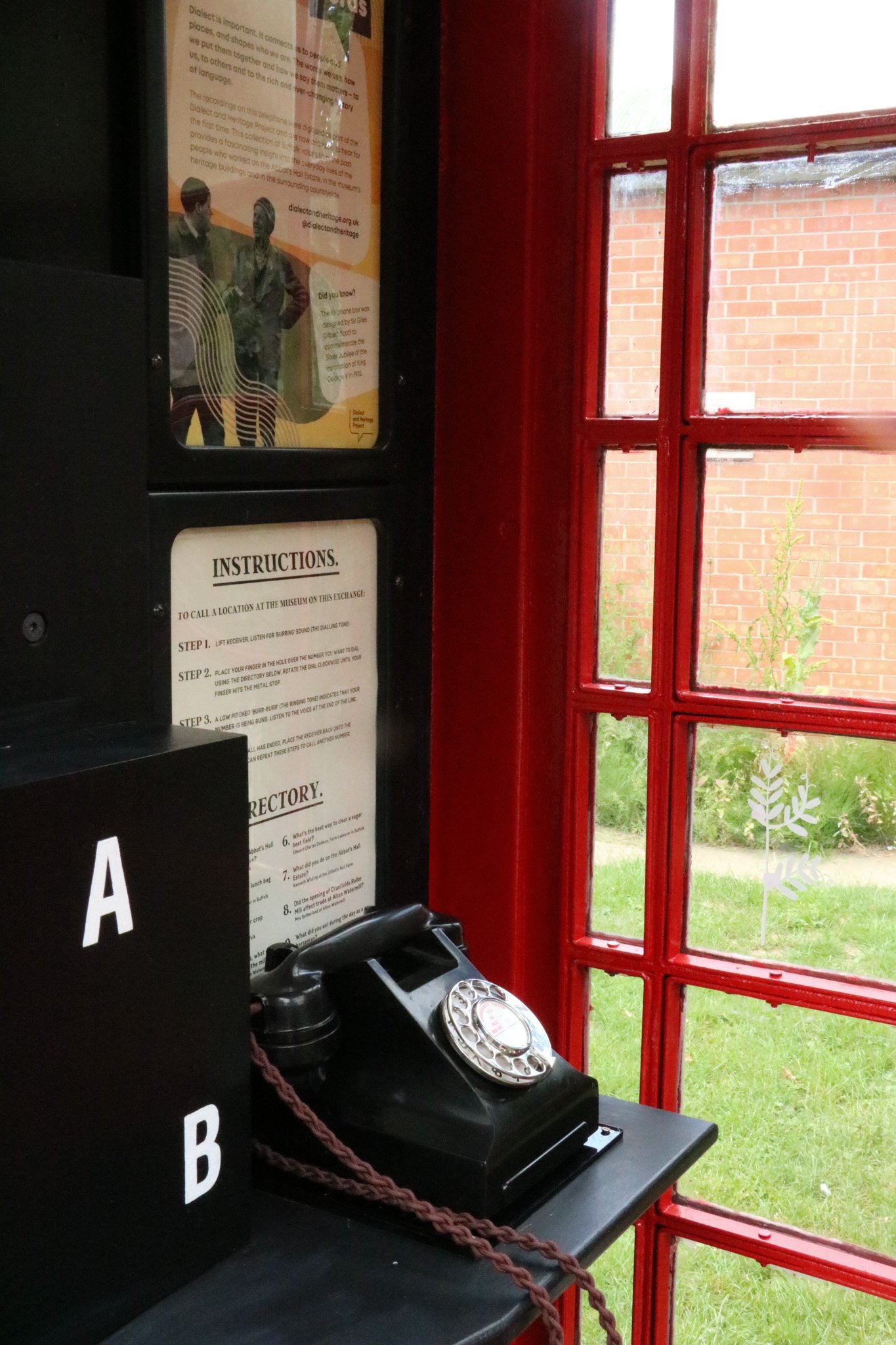
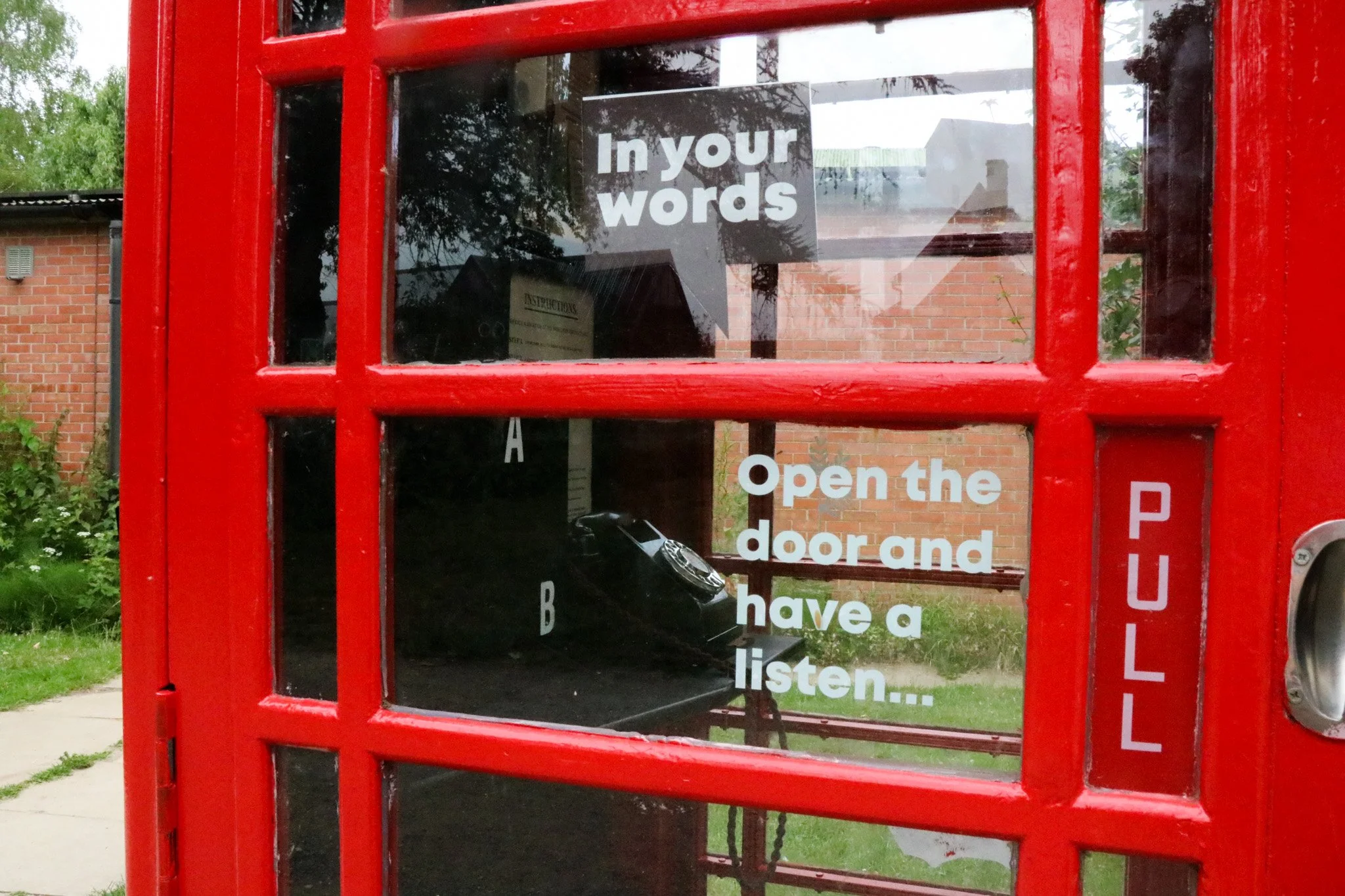
Dialect Phone Box
Key components & design decisions
1. Interior redesign & period authenticity
I redesigned the interior to echo the look and feel of a traditional telephone kiosk. This included selecting appropriate colours, finishes, and typographic elements, and ensuring all intervention work sat comfortably within the original 1930s structure.
2. Rotary phone interaction & hardware development
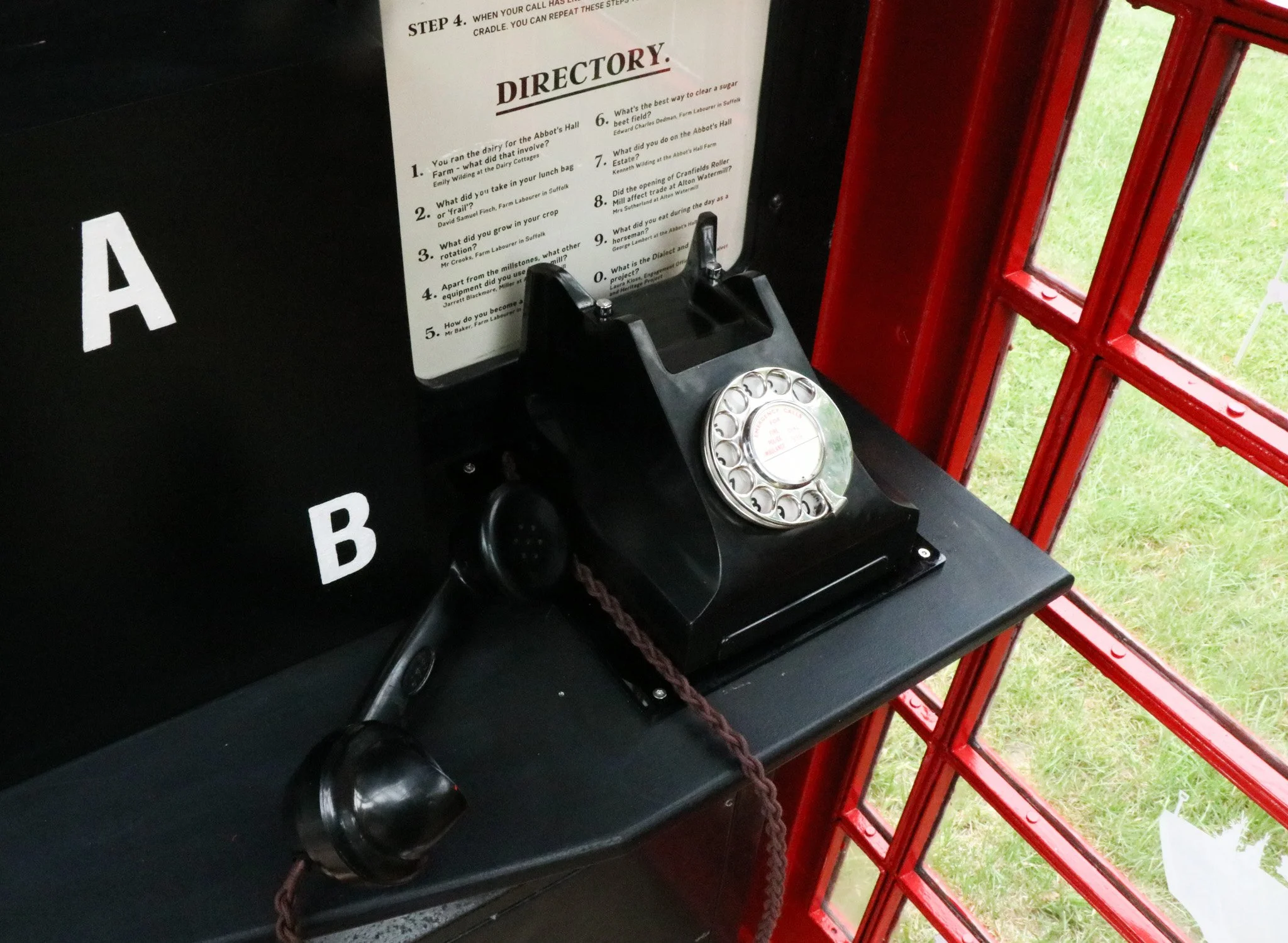
Working with a specialist company, I developed a custom telephone system that allowed visitors to dial numbers on a real rotary phone. We ensured the handset weight, dial resistance, and audio quality recreated an authentic experience while incorporating modern internal electronics to trigger specific audio tracks.
3. Visual assets & exterior interpretation
For the exterior panels, I curated and adapted existing project branding and imagery, selecting visuals that best communicated the purpose of the installation and its connection to the Dialect and Heritage Project. This helped integrate the kiosk into the museum site without overwhelming its historic presence.
4. Visitor guidance: directory & interpretive poster
Inside the kiosk, I designed a clear directory-style guide and a supporting interpretive poster. These materials explained how to use the rotary phone and outlined the stories visitors could access. I intentionally echoed the visual language of vintage telephone directories to reinforce the nostalgic tone of the experience.
5. Audio curation & story mapping
I curated a selection of digitised 1970s audio recordings from the project archive, choosing clips that represented local dialect, agricultural life, and regional memory. Each clip was mapped to a specific number on the rotary dial and linked to buildings or stories across the museum site to encourage deeper exploration.

Considerations
Designing within a heritage kiosk came with several practical and creative constraints:
Preserving the character of a classic K6 phone box while adapting it for contemporary, visitor-friendly use.
Ensuring the hardware felt authentic, both visually and mechanically, so the interaction had the charm of a true period telephone.
Integrating audio content in a simple, intuitive way for all ages.
Working within extremely limited space, which required careful planning of the interior layout and visual elements.
Linking the audio to the museum’s wider site, so the stories felt connected to physical places and objects visitors could explore.
Outcome
The final installation is a cohesive, design-led interactive that blends heritage aesthetics, tactile engagement, and archival audio. By bringing unheard oral histories into a familiar, nostalgic setting, the phone box invites visitors to slow down and connect with local voices through an immersive, hands-on experience.
